Washing hands before meals is one of the simplest yet most effective ways to protect your health. It’s something most of us learned as children, but in the rush of daily life, proper handwashing is often overlooked. In this article, I’ll share practical, step-by-step guidance on how to wash your hands effectively before meals, along with real-world examples and tips you can apply immediately.
Understanding the Importance of Hand Hygiene
Before we dive into the technique, it’s essential to understand why washing hands before meals matters. Our hands come into contact with countless surfaces daily—door handles, smartphones, public transport rails, and even our pets. Each contact carries potential germs, including bacteria and viruses. When we eat without washing hands, these germs can enter our mouths, leading to illnesses like food poisoning, diarrhea, or respiratory infections.
From my personal experience working in a shared office space, I noticed that colleagues who skipped handwashing often fell ill during flu season. A small habit like proper handwashing can prevent days of discomfort and keep your immune system from being unnecessarily challenged.
Step-by-Step Guide to Washing Hands Properly
Effective handwashing is more than a quick rinse. Here’s a step-by-step method recommended by health professionals:
- Wet Your Hands with Clean Water
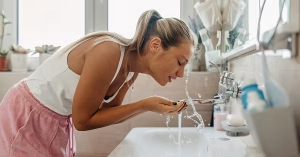
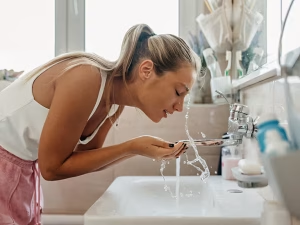
Start by wetting your hands with clean, running water. Warm water is preferable because it helps break down oils and dirt more effectively, but cold water works as well if warm water isn’t available. - Apply Enough Soap
Use a generous amount of soap to cover all surfaces of your hands. This includes liquid, bar, or foam soap. Soap works by breaking down the grease and grime that trap germs, making it easier to remove them. -
Scrub All Parts of Your Hands
Lather and scrub thoroughly for at least 20 seconds. Don’t forget the areas often missed:- Back of hands
- Between fingers
- Under nails
- Thumbs and fingertips
I often set a mental timer or hum a short tune to ensure I spend enough time scrubbing. In a family setting, I encourage children to sing a fun 20-second song to make it engaging.
- Rinse Thoroughly
Rinse your hands under running water, making sure all soap is washed away. Soap residue can irritate skin, and incomplete rinsing may leave some germs behind. - Dry Hands Properly
Drying is a crucial step. Use a clean towel, paper towel, or air dryer. Avoid shared towels in public areas, as they can harbor bacteria. From my experience, carrying a small personal hand towel or using disposable paper towels works best when outside the home.
Common Mistakes People Make While Washing Hands
Even people who wash their hands regularly often make mistakes that reduce effectiveness. Here are some common pitfalls:
- Not Washing Long Enough: A quick 5-second rinse is insufficient. Remember, 20 seconds is the recommended minimum.
- Skipping Key Areas: Fingertips, thumbs, and between fingers are often neglected.
- Using Dirty Towels: Using a towel that has been used by others can reintroduce germs.
- Touching Contaminated Surfaces After Washing: Turning off the tap with bare hands can undo your effort. Use a paper towel to turn off the faucet if possible.
Avoiding these mistakes ensures that your handwashing truly protects you and your family.
Handwashing in Different Situations
Handwashing techniques may vary slightly depending on the context. Here’s how to adapt:
- At Home: You have the advantage of access to soap, warm water, and clean towels. Take your time and model proper handwashing for children.
- At Work or School: If a sink isn’t nearby, hand sanitizer with at least 60% alcohol can be used. However, it’s not a complete substitute for soap and water, especially when hands are visibly dirty.
- While Traveling: Carry travel-sized soap and a small towel or use disposable wipes. Public restrooms may not always be ideal, so plan ahead.
In my experience, keeping a small hand sanitizer bottle in your bag is a lifesaver during travel, but nothing beats washing with soap and water before meals.
How Long Should You Wash Your Hands?
Many people underestimate the time needed for effective handwashing. The Centers for Disease Control and Prevention (CDC) recommend scrubbing hands for at least 20 seconds. A good trick I use is to hum the “Happy Birthday” song twice or count slowly to 20 while scrubbing. This ensures you’re thorough without feeling rushed.
Teaching Children Proper Handwashing
Children often skip steps or rush through handwashing. Here’s how to make it effective and fun:
- Make It a Game: Sing a 20-second song while scrubbing each part of the hands.
- Use Visual Guides: Posters showing handwashing steps can be placed near sinks.
- Lead by Example: Children imitate adults. Wash your hands properly in front of them.
- Praise Effort: Positive reinforcement encourages consistency.
From my experience, incorporating playful elements significantly improves children’s compliance, especially during meals.
Using Hand Sanitizer: When and How
While handwashing with soap and water is ideal, hand sanitizers are convenient alternatives. Follow these tips:
- Use Alcohol-Based Sanitizers: Ensure at least 60% alcohol content for effectiveness.
- Cover All Surfaces: Rub sanitizer over all parts of your hands, including fingers, thumbs, and between nails.
- Let It Dry: Do not wipe it off before it dries; this allows it to kill germs properly.
Remember, sanitizer is best for situations where soap and water are unavailable, not as a replacement for regular handwashing before meals at home.
Handwashing and Food Safety
Washing hands before meals is not just about personal hygiene—it also protects the food you handle. Cross-contamination from raw meat, eggs, or vegetables can introduce harmful bacteria. I always wash my hands thoroughly before cooking or serving meals to prevent spreading germs to others. Teaching this habit in households ensures that everyone enjoys safer meals.
Extra Tips for Maintaining Hand Hygiene
Beyond washing hands before meals, these small habits enhance hygiene:
- Trim Nails Regularly: Dirt and germs often hide under long nails.
- Moisturize Hands: Frequent washing can dry skin; a simple moisturizer prevents cracking and infection.
- Avoid Touching Face: Eyes, nose, and mouth are direct entry points for germs.
- Use Personal Towels in Public Spaces: Reduces exposure to bacteria on shared surfaces.
Incorporating these habits into your daily routine strengthens the protective effect of handwashing.
Real-Life Benefits of Consistent Handwashing
I’ve personally observed the benefits of diligent handwashing. In my office, when flu season hits, those who consistently wash hands before meals rarely fall sick, while colleagues who skip it often catch colds. Beyond preventing illness, proper hand hygiene instills confidence and creates a culture of cleanliness at home, work, and social gatherings.
Conclusion
Washing hands properly before meals is a small, simple habit that can have a massive impact on health. By following the steps—wetting, soaping, scrubbing, rinsing, and drying—you can remove harmful germs and protect yourself and others from preventable illnesses. Avoid common mistakes, teach children effectively, and adapt handwashing to different environments for the best results. Remember, clean hands mean safer meals, healthier bodies, and peace of mind.
FAQs
1. How long should I wash my hands before meals?
Wash your hands for at least 20 seconds, covering all areas, including the backs of hands, between fingers, and under nails.
2. Can hand sanitizer replace washing hands before meals?
Hand sanitizer is useful when soap and water aren’t available, but it’s not a full replacement, especially if hands are visibly dirty.
3. Should I use warm or cold water for washing hands?
Warm water is preferred as it helps remove grease and dirt more effectively, but cold water is acceptable if warm water isn’t available.
4. How often should children wash their hands before meals?
Children should wash hands before every meal and snack. Making it fun with songs or games encourages regular practice.
5. What’s the best way to dry hands after washing?
Use a clean towel, disposable paper towel, or air dryer. Avoid shared or damp towels to prevent recontamination.